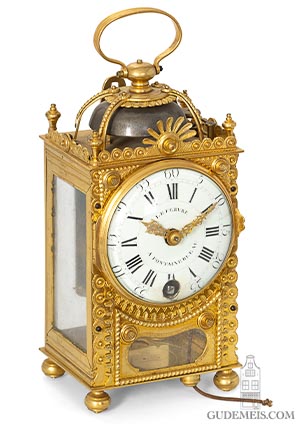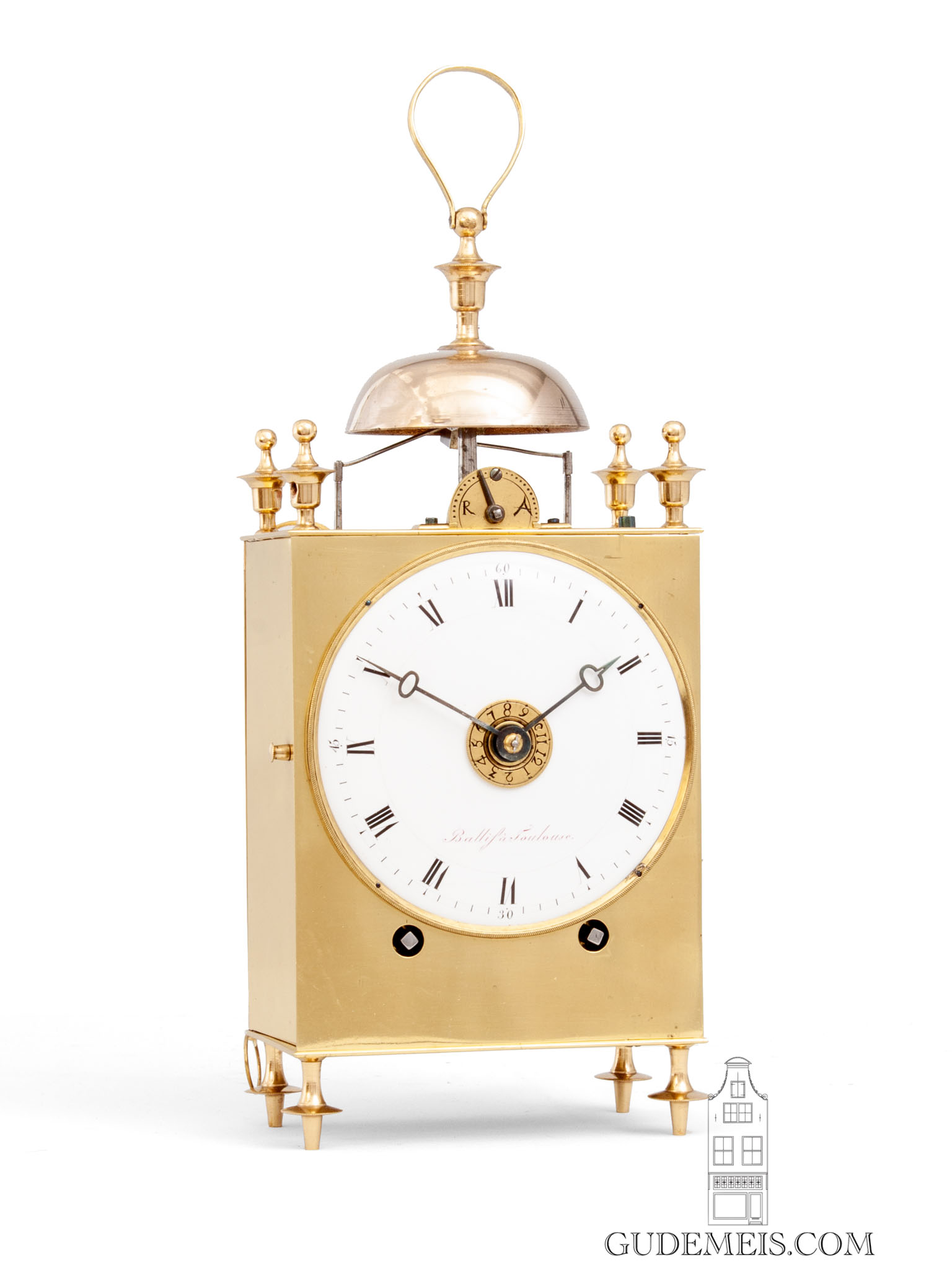
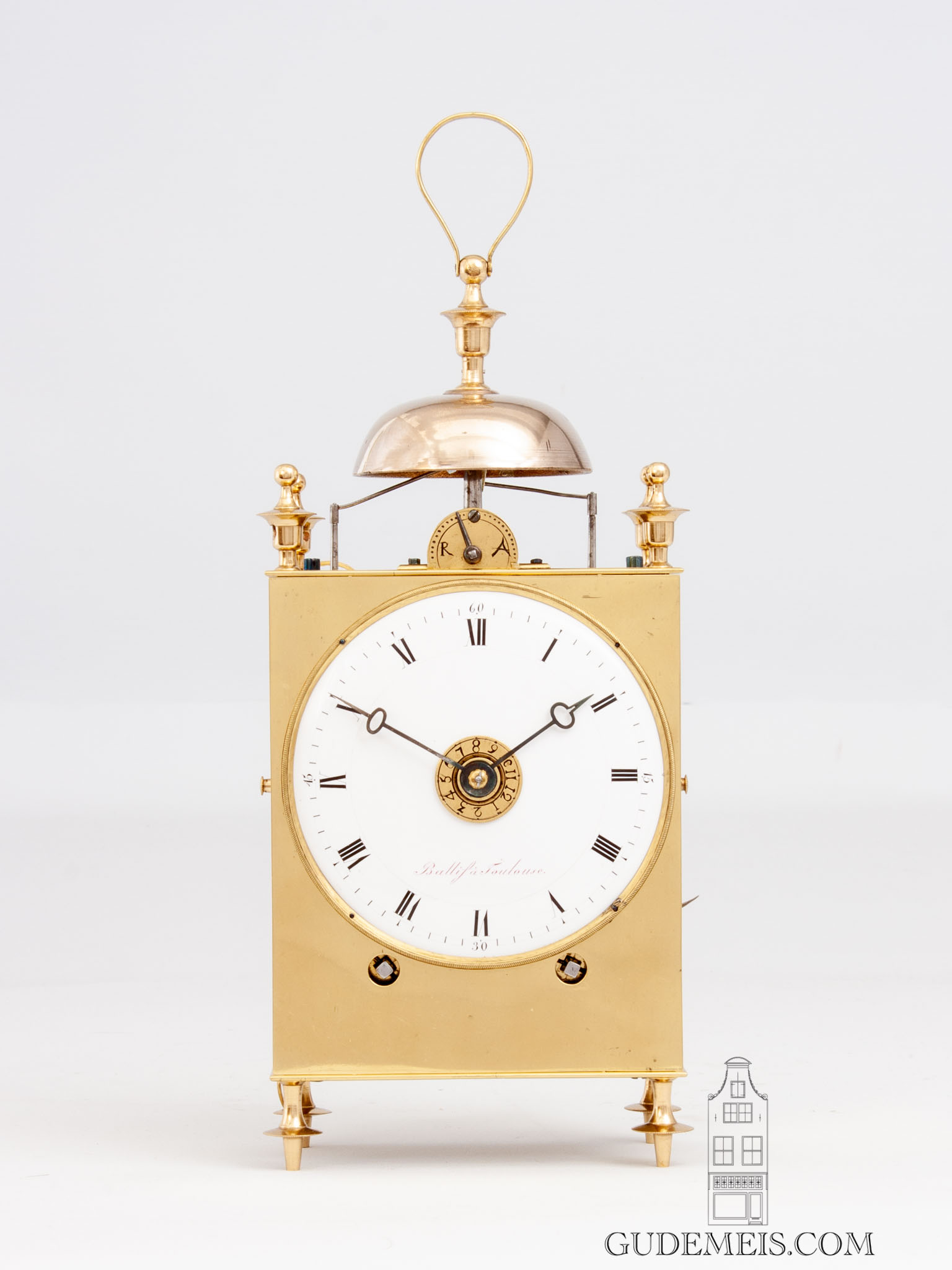
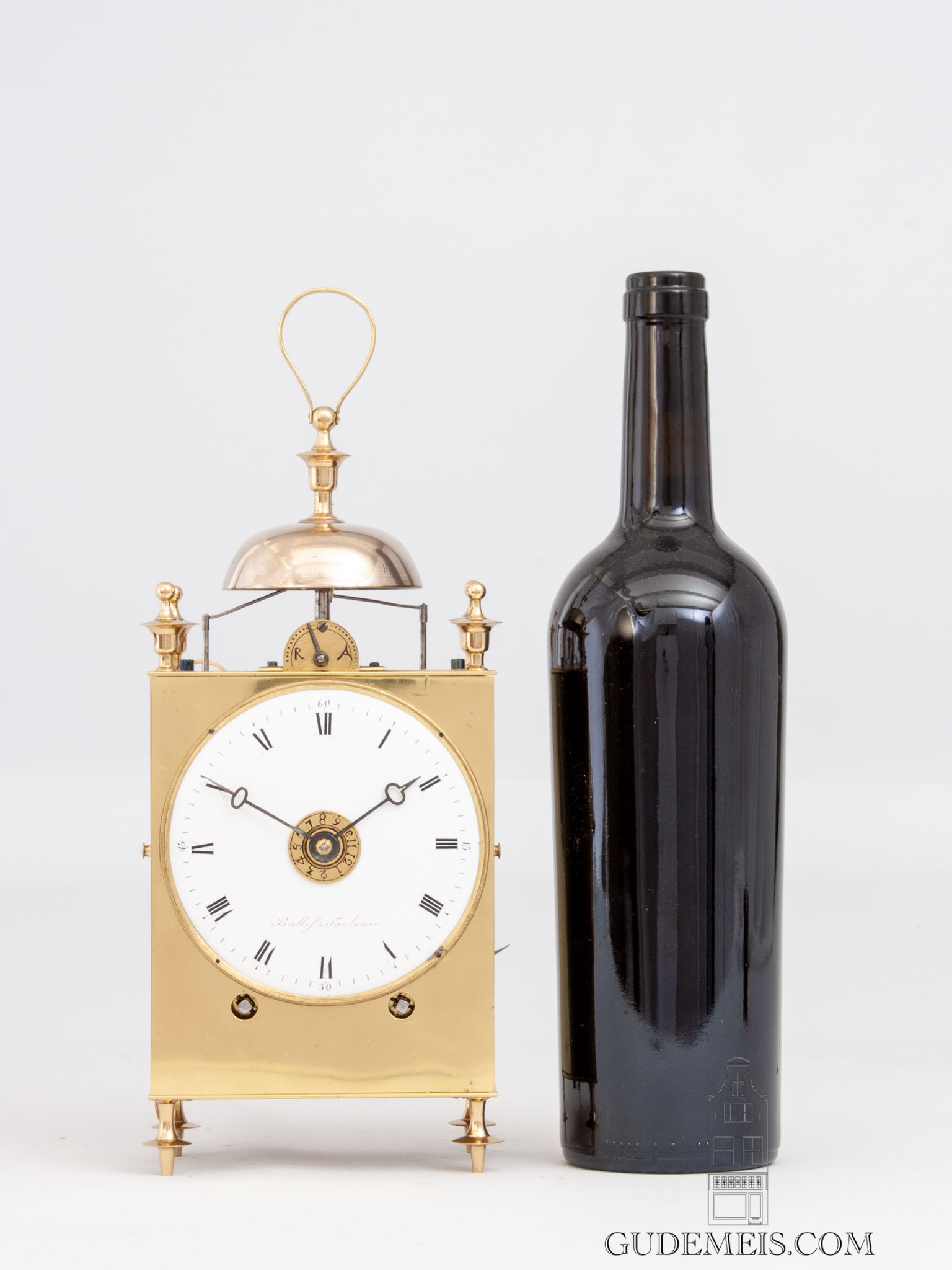
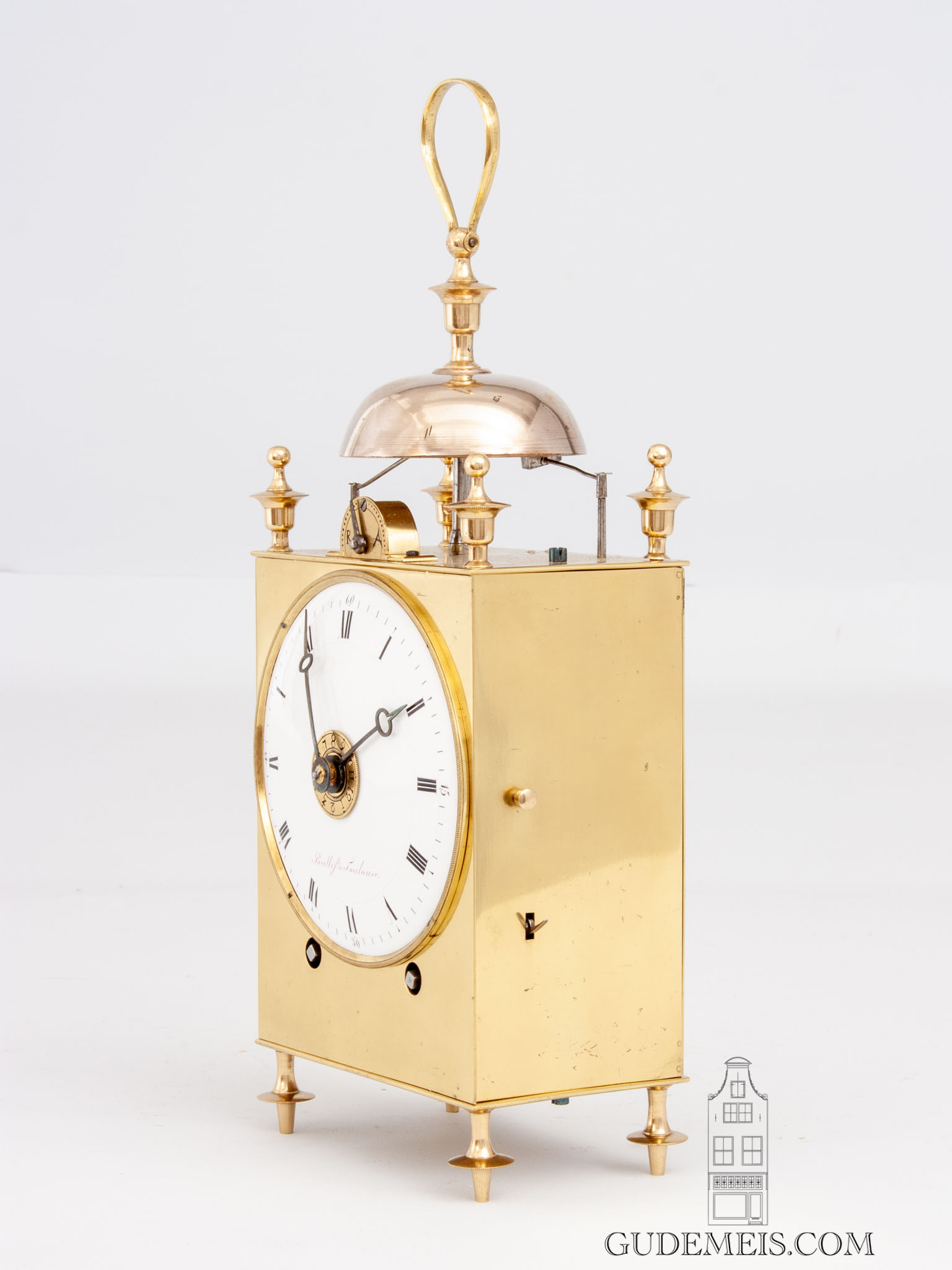
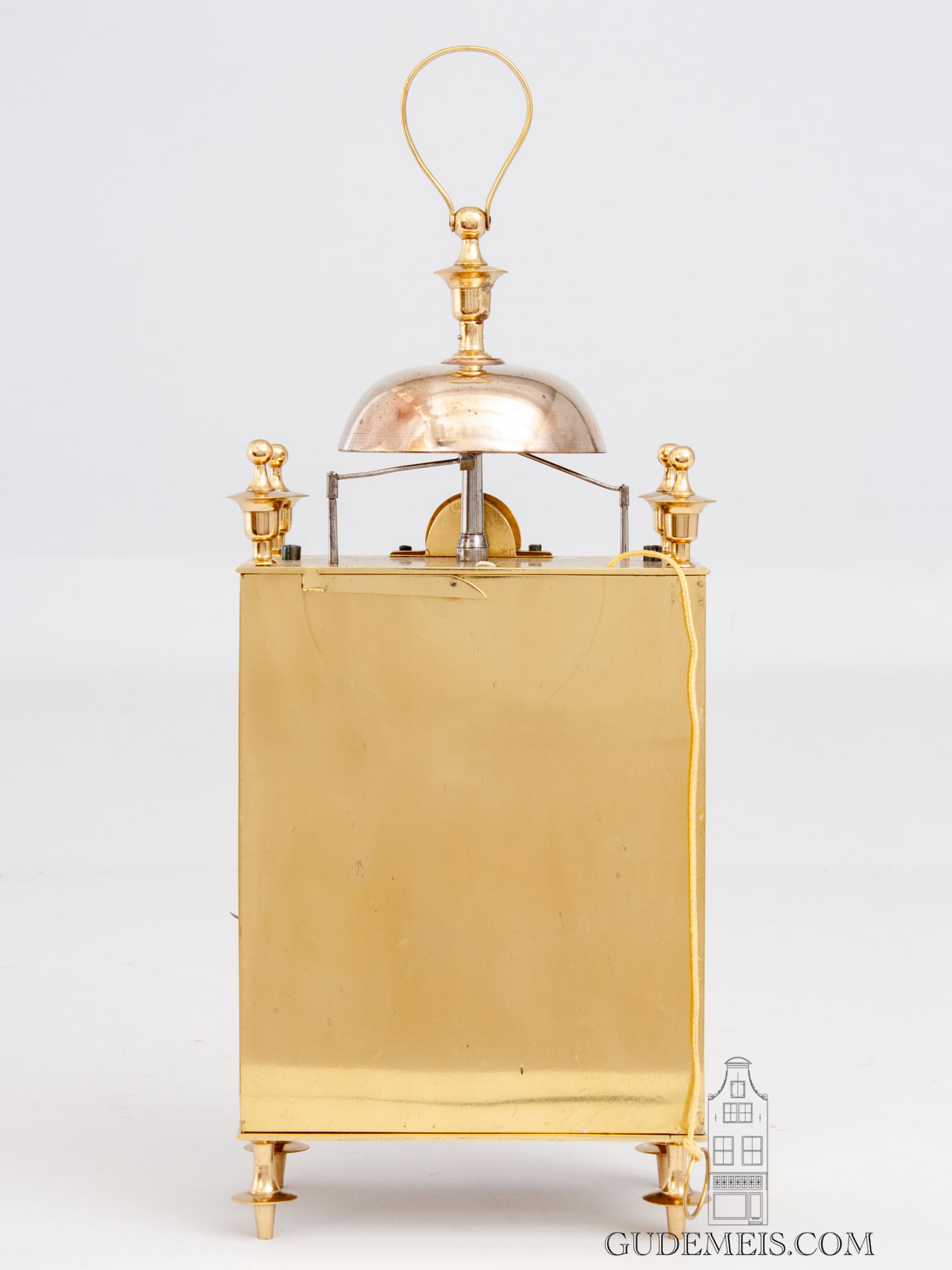
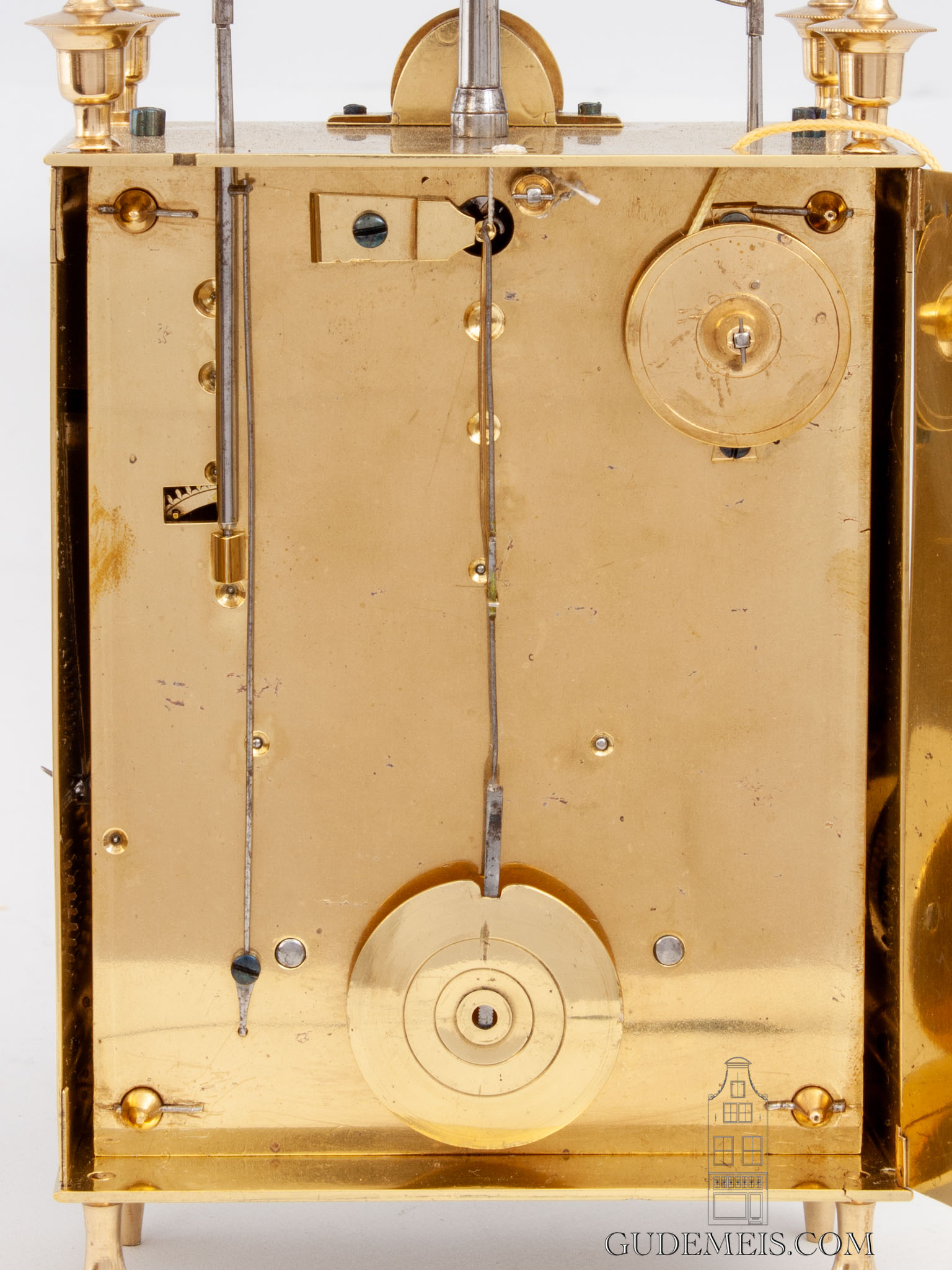

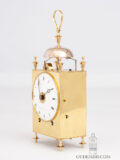
A French brass striking and alarm Capucine travel clock, Ballif à Toulouse, circa 1800
Description
Capucine
Before the introduction of the carriage clock by Paul Garnier in the early 1830s, travel clocks were fairly scarce and expensive. In the last decade of the eighteenth century, standardised production evolved for both the luxurious ‘Pendules d’Officier’ and the more austere ‘Capucines’, the latter named after the Capucine monks’ simple way of living. Although these clocks didn’t function during actual travel because they have a pendulum, they were practical when set up at the place of lodging. With an alarm and hour repetition on demand, they had the functions associated with a travel or bedroom clock. It is no wonder that, despite being made for travel, the ‘Capucine’ fitted well in the home, with its appearance resembling the long-favoured lantern clocks. Nowadays, they are still desired for their appearance and practicality.
Thin bezel
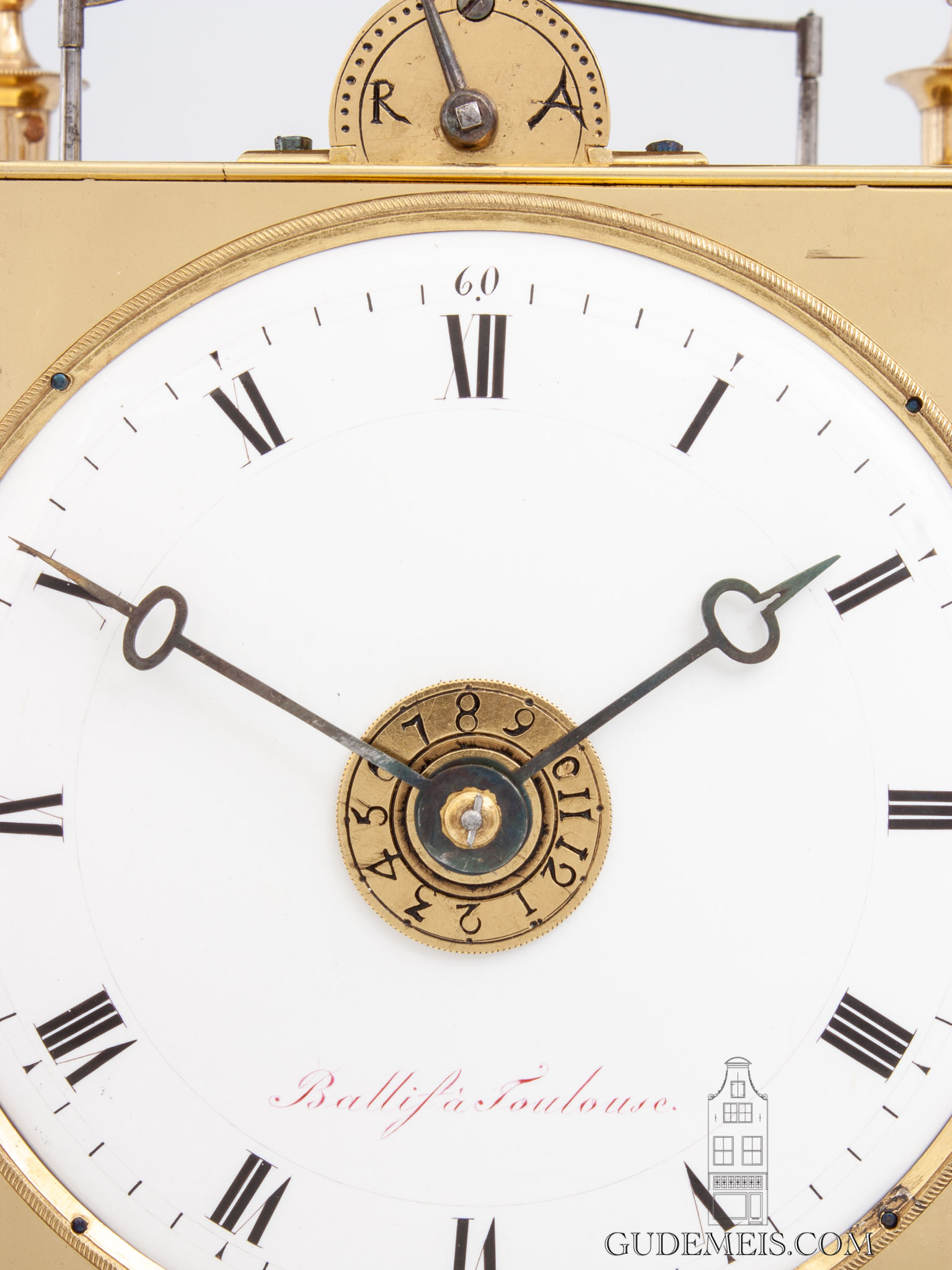
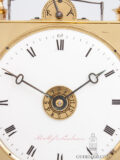
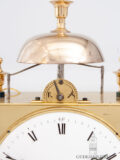
The 10-cm enamel dial has Roman numerals and is signed in red Ballif à Toulouse. The beautiful hands are made of blued steel and the alarm disc is made of brass. Around the dial is a thin bezel which is typical for earlier Capucines. Above the dial is sector with a small hand for fast/slow.
Morbier striking
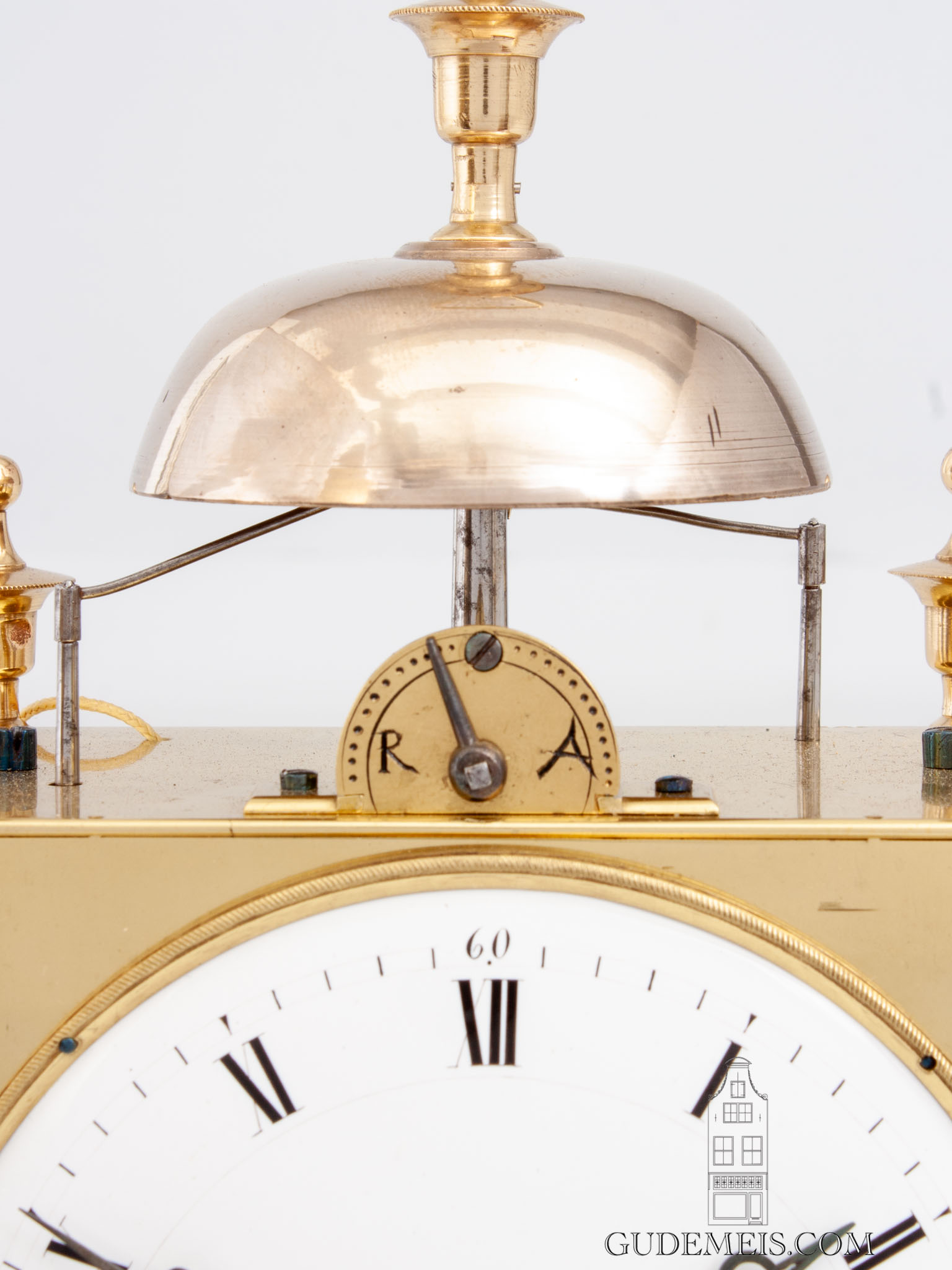
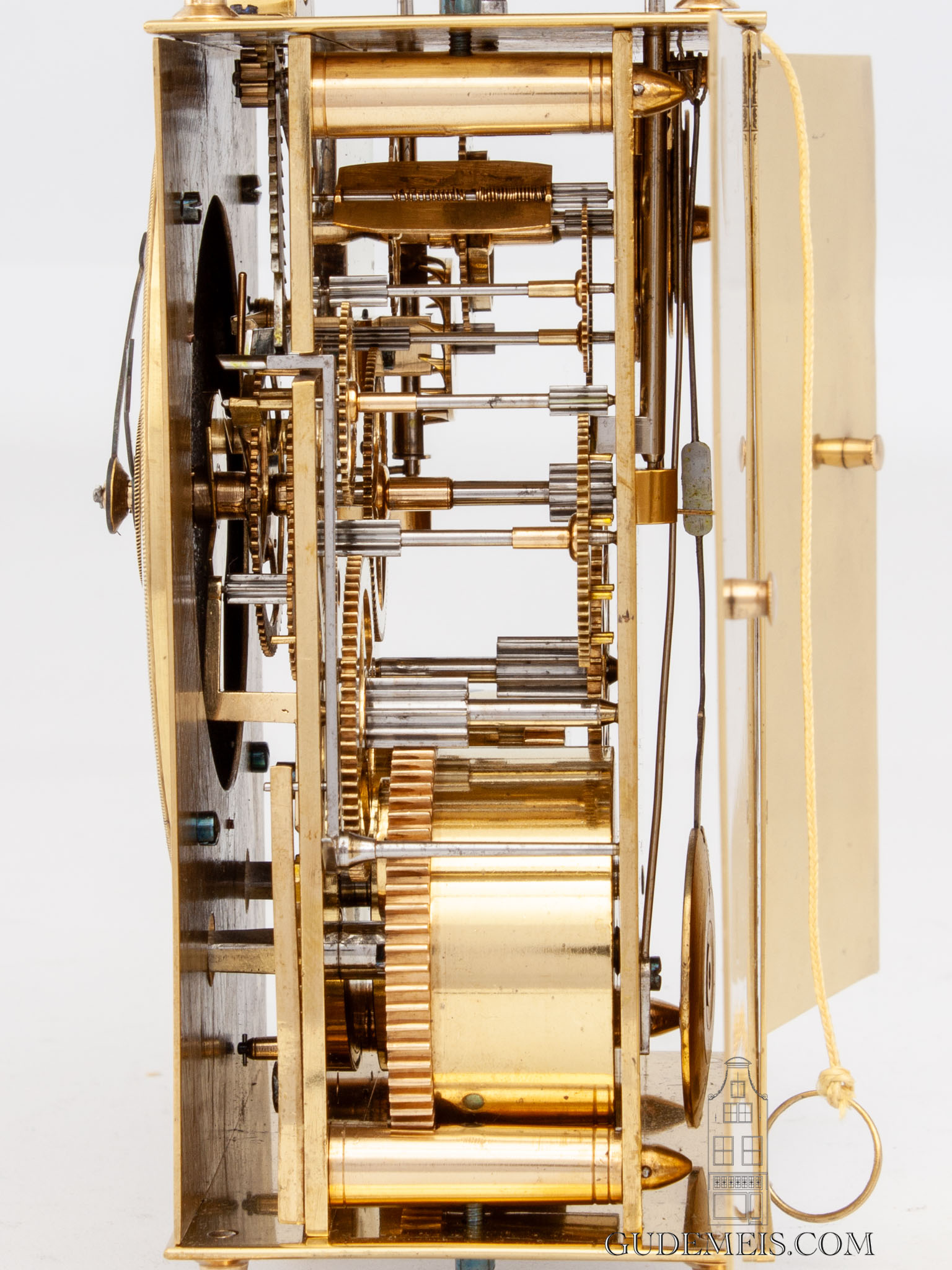
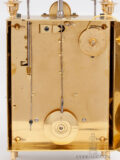
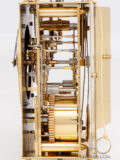
The movement is driven by two spring barrels and has a duration of eight days. It is regulated by anchor escapement in combination with a silk suspended pendulum with slow/fast hand on the dial above XII. The clock strikes the full hours and half hours by means of rack striking. At the full hours, the clock repeats the strikes after a minute or so. This ‘Morbier striking’ is useful because when a clock starts striking, one often realizes this too late to start counting. But being alerted by the first time the clock struck, one can start counting when it strikes for the second time. Most Morbier or Comtoise clocks have this type of striking also. By tripping a lever on the side of the case, the clock will repeat the number of past hour. This repeating function was very useful in a time when just turning on the light wasn’t possible. By having the last hour repeated one ‘heard’ what time it was. The clock also has a alarm mechanism that is activated by pull winding
Brass case
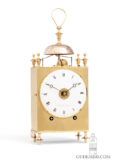
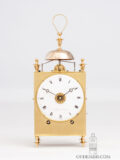
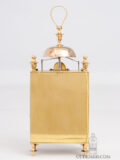
The brass case is surmounted by a bell with a handle on top of an urn finial. On the corners there four other urn finials. There are doors to the sides and back giving access to the movement. The whole is placed on four turned toupee feet.